
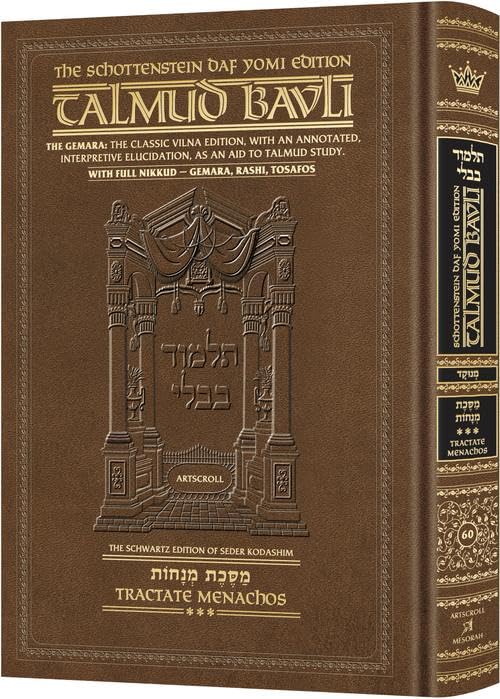
- The Altar of Onias
The Mishnah discusses the Beit Onias:
- A temple built in Egypt by Onias, modeled after the Mikdash
- Jews brought offerings there during periods when the Temple in Jerusalem was standing or destroyed
The crucial question:
- Are these offerings valid, forbidden, or something in between?
The conclusion:
- Offerings there are invalid as sacrifices
- But they are not considered idolatrous
- Vows Made “to the Temple”
If someone vows:
- “I will bring an offering to the Temple”
He may not fulfill that vow at Beit Onias.
But if he says:
- “I will bring an offering” (unspecified)
The vow may technically be discharged there, though it brings no sacrificial fulfillment.
This reinforces:
Vows are interpreted according to their explicit language.
- Distinguishing Idolatry from Illegitimacy
The Gemara emphasizes:
- Beit Onias worshipped God, not idols
- The problem was location, not theology
This distinction matters for:
- Legal status of vows
- Intentional sin vs. misguided practice
- Lesson of Centralization
The daf reinforces a key Torah principle:
- Legitimate sacrifice belongs only in the chosen place
- Sincerity alone does not authorize ritual innovation
Core Themes of Menachot 109
- Good intentions do not replace divine command
- Centralization of worship preserves unity
- Sacred vows depend on where as well as what
One‑sentence takeaway
Menachot 109 teaches that worship of God outside His chosen place may be sincere, but it cannot substitute for the sanctity of the Mikdash.
